
THE RENÁLIDA MODEL: A holistic and sustainable approach to the management of chronic kidney disease
Chronic kidney disease (CKD) is a rapidly growing condition that must be prioritized as a sustainable development goal. It affects 850 million people worldwide, and due to its rapid rise, it is projected to become the fifth leading cause of preventable death by 2040. This situation is particularly critical among the older adult population, which faces heightened vulnerability exacerbated by risk factors such as hypertension, obesity, diabetes, and a sedentary lifestyle.
Since June 2022, Renálida has implemented an innovative risk management model that provides a comprehensive, systematized care plan. This model focuses particularly on the PAMI population, which faces significant barriers to accessing both preventive care and dialysis treatments, despite the universal coverage offered by the payer. The gap between coverage and accessibility is a critical challenge that the model aims to address through a transdisciplinary approach to early detection, risk characterization, efficient management, and healthcare system integration—delivering effective responses at every level of risk.
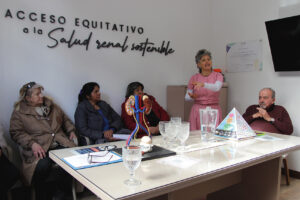
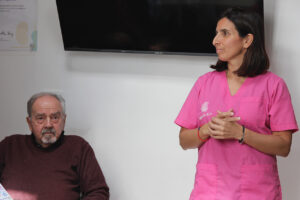
Renal Mapping is a comprehensive process that includes an initial remote assessment, detailed diagnostic studies, and a joint clinical consultation where a care plan that promotes meaningful learning is presented. This approach engages patients in self-care through an understanding of their kidney health status and the value of preserving it.
Applying Scientific Evidence in Clinical Practice

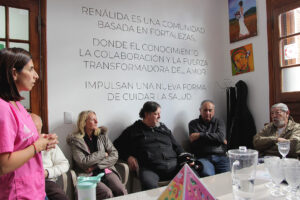
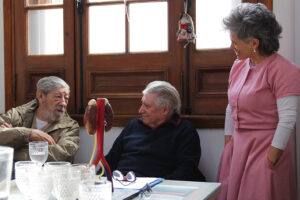
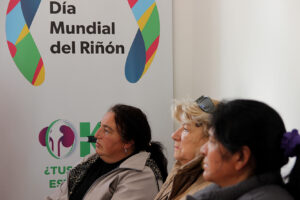
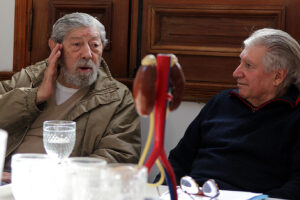
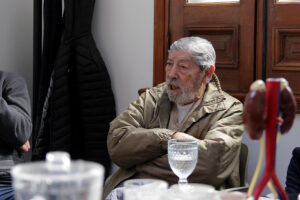
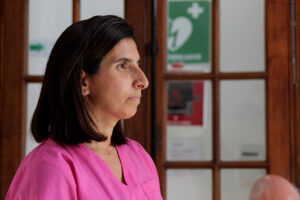
Joint Clinical Encounter
he Renálida model is distinguished by its commitment to applying scientific evidence to clinical practice. Through the integration of the latest advances in research and technology, Renálida ensures that every clinical decision is backed by the best available evidence, improving the quality of care and patient outcomes. This includes the use of clinical decision support tools and the
Learn more about the process clicking aqui

Healthcare System Integration and Interoperability
Renálida also stands out for its ability to effectively integrate the healthcare system through interoperability. The model facilitates the automated integration of laboratory results and electronic health records, enabling real-time data management. This not only enhances the accuracy and speed of diagnosis and follow-up, but also optimizes care efficiency by ensuring that all members of the healthcare team have instant access to critical patient information.
Healthcare system integration is key to ensuring continuous and coordinated care. The Renálida model facilitates collaboration across different levels of medical care, from primary care physicians to specialists, significantly improving the efficiency and effectiveness of CKD treatment.
Delivery and Dispatch of Renal Roadmaps
One of the key innovations of the Renálida model is the Renal Roadmap (RR), a personalized tool delivered to each patient following the Joint Clinical Encounters. This roadmap compiles a detailed care plan that includes risk factors, the patient's current CKD status, and specific recommendations for its management. In addition, the RR is automatically sent to patients' primary care physicians, fostering integration and coordinated care across different levels of medical care. This process ensures that both the patient and their healthcare team are aligned and focused on the same treatment goals.
A strengths-based community
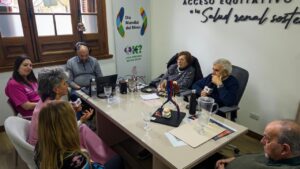
The Renálida model not only improves clinical outcomes, but also addresses the global shortage of nephrology specialists by maximizing available resources and promoting team-managed care. Initiatives such as the AURENIS choir and active patient participation on the advisory committee highlight the importance of comprehensive care that incorporates the patient's voice at every stage of the care process.




Sister Centers Program. International Society of Nephrology.
The Sister Centers Program of the International Society of Nephrology is a global initiative that promotes international cooperation to strengthen kidney care in communities worldwide, linking emerging centers with high-complexity academic and healthcare institutions. Since 2022, Renálida has maintained a strategic alliance with the Hospital Italiano de Buenos Aires within the framework of this program, working collaboratively on innovation, multidisciplinary education, and the digitalization of clinical processes to transform kidney disease care in our region.
Video Pitch RenalTech 4.0